





What does Responsible Fashion mean?
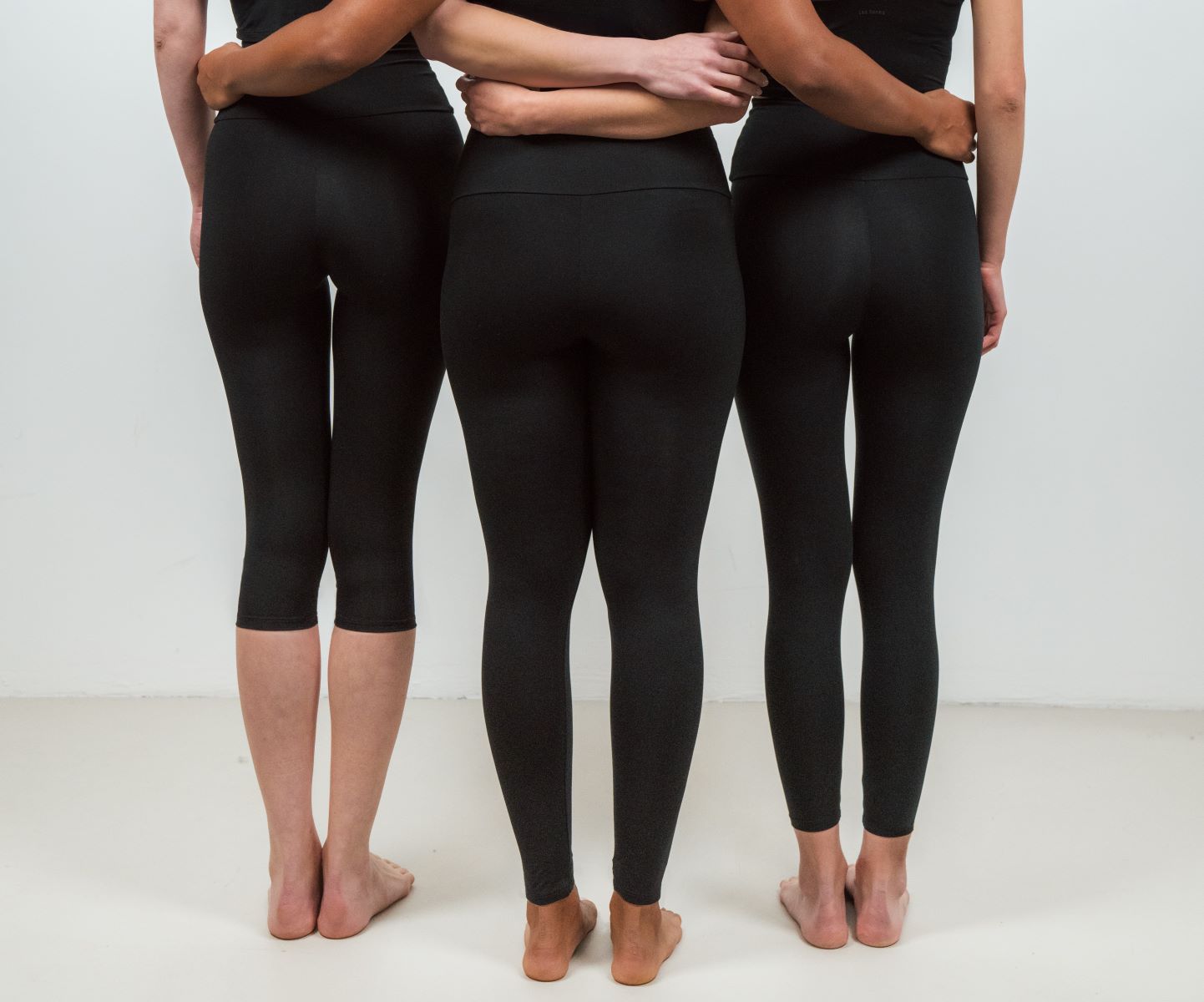
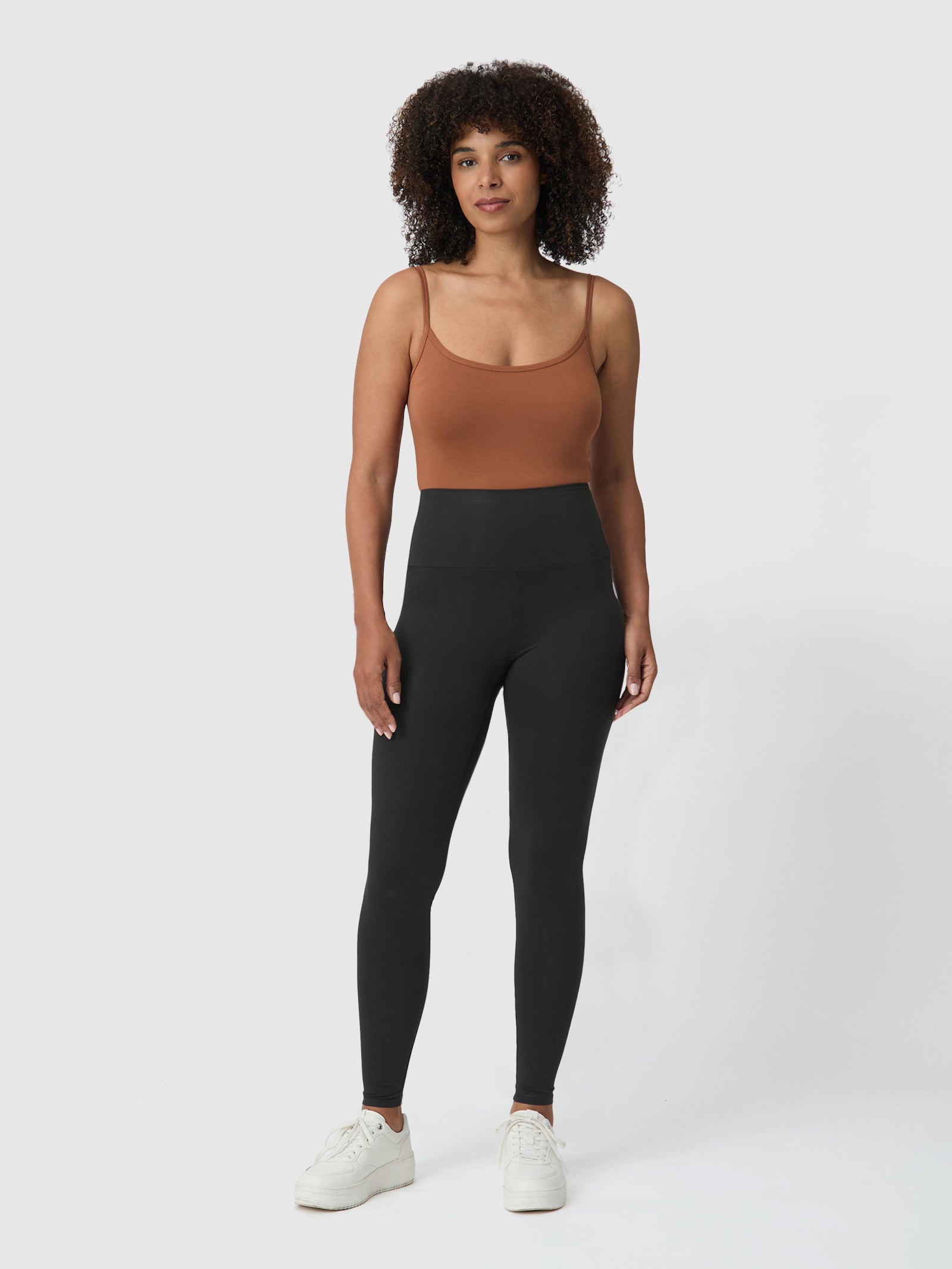
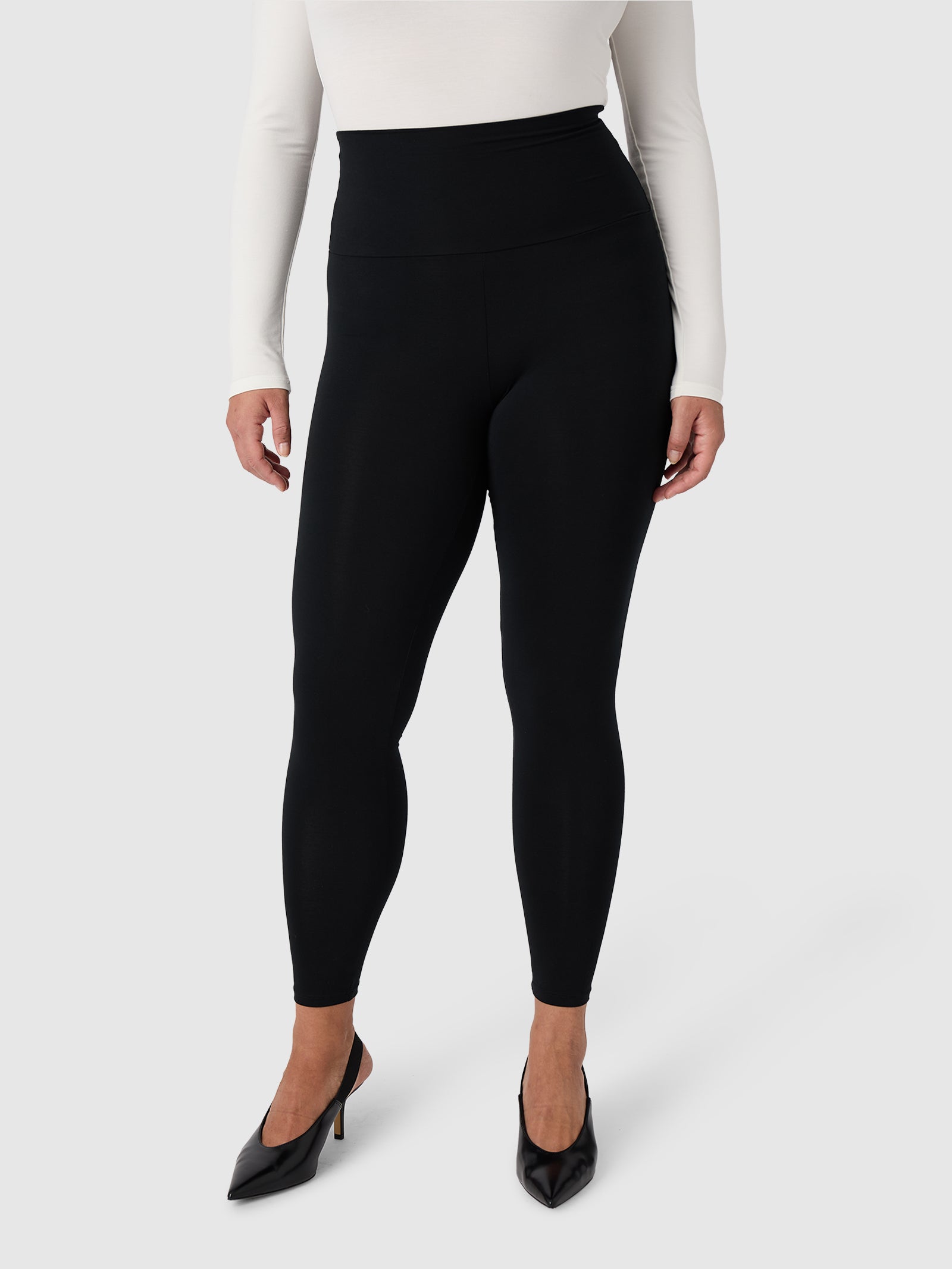
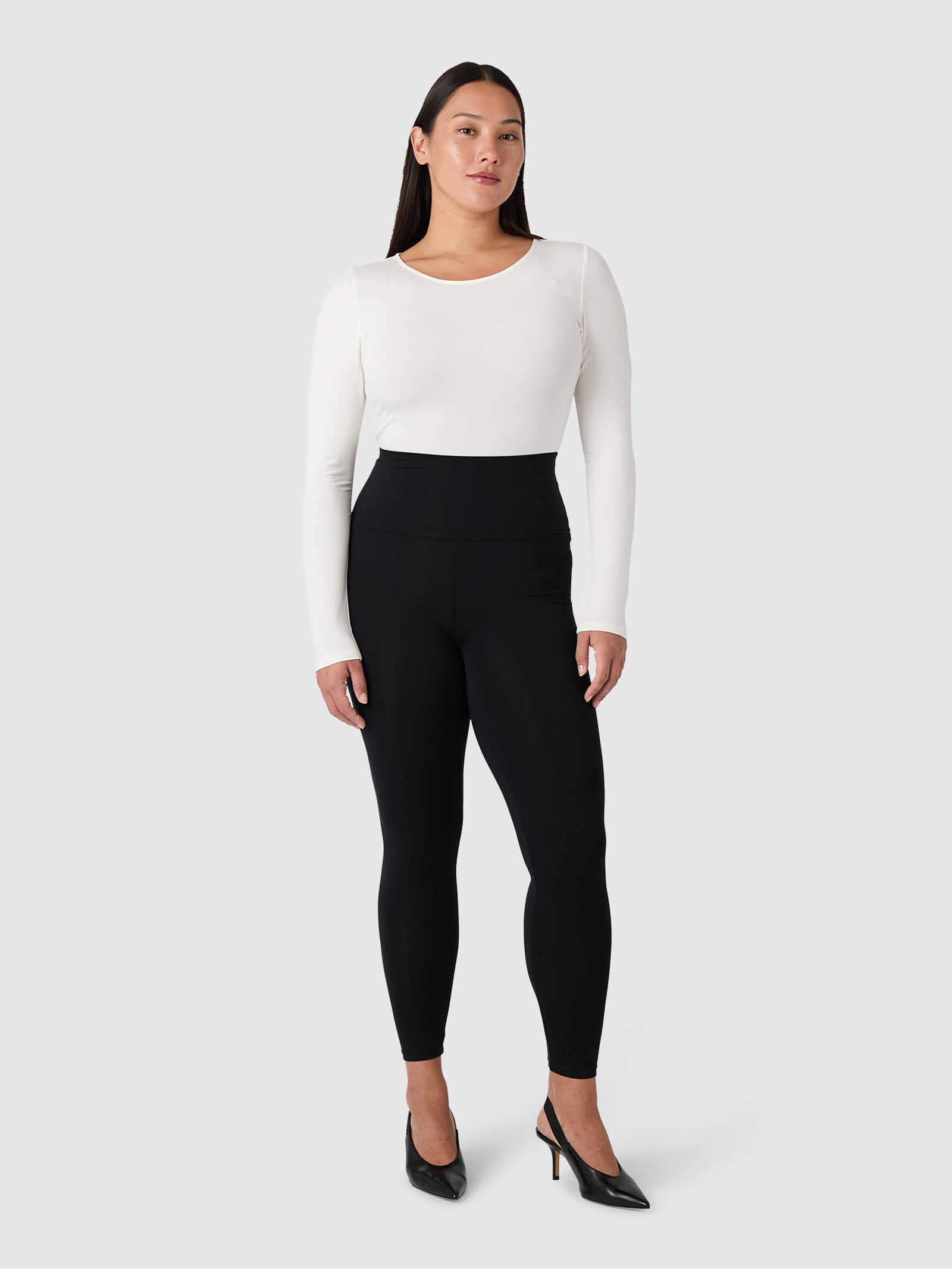
Les Lunes stands for Responsible Fashion. But what does that mean and how do we differ from conventional fashion brands? Learn more in this blog post about our company values and the importance of sustainability and fair working conditions in product development.
Why Les Lunes Does Not Call Itself a Sustainable Fashion Brand
If you engage with sustainability and fashion, it quickly becomes clear: There is no simple answer to the question of what Sustainable Fashion is. No fashion consumption would be the best approach under strict sustainability criteria. Second-hand is the second best. However, for most people, buying new textiles cannot be completely avoided. The fact is: The term sustainability is not clearly defined, it is used very differently, and can stand for many variations. Therefore, we want to share our approach:
Sustainability is not just a buzzword for us, but a matter close to our hearts. Regarding the textile industry, sustainability for us begins with product development (design), extends through the selection, sourcing, and processing of raw materials into yarns, includes the actual production of products, shipping (transport), and ultimately the use and also the reuse of our products. But why don’t we call ourselves a Sustainable Fashion Brand?
As a young fashion startup, we are not yet 100% sustainable in every aspect (for example, sometimes we have to weigh waiting and delivery times against faster transport methods via airplane). But: We see many opportunities to act sustainably in the various steps of our value chain and are aware of our responsibility towards people and nature. In some areas, we are already very good; in others, we want to improve.
Therefore: Les Lunes is a Responsible Fashion Company that tries to become more sustainable step by step.
What Exactly Does Responsible Fashion Mean?
Responsible Fashion means being aware of the impact of the textile industry on nature and people, both from the producer’s and the consumer’s side: The textile industry produces 1.2 billion tons of CO2 annually — more than international flights and cruises combined. Additionally, there are sometimes precarious working conditions and low wages for the people who make clothes for fast-fashion brands.

Manufacturers of Responsible Fashion therefore rely on a more environmentally friendly production chain and pay attention to social standards for all employees. But consumers can also take responsibility by shopping responsibly and thinking twice about whether they really need the garment. Moreover, consumers must be aware that high-quality products that meet environmental and social standards are not available at the prices of fast-fashion corporations.
Learn here about the environmental impact of returns and how you can avoid them.
How Does Les Lunes Live Responsible Fashion?
In our Corporate Social Responsibility Report, we give you a detailed insight into the changes we implemented in 2021 to increase sustainability. Basically, we orient ourselves regarding Responsible Fashion on the following pillars:
Timeless Beautiful Designs
We do not produce short-lived trends. Instead, we focus on iconic designs that bring you joy for years and are timelessly beautiful. Durable and robust materials ensure that your Les Lunes favorites look like new even after multiple washes.
Learn here how to properly care for your Les Lunes essentials so they last a long time.
How to wash clothes as environmentally friendly as possible can be read here.
Only a Handful of Favorite Pieces per Year
We want to move away from the throwaway mentality and towards conscious shopping. Basically, less consumption, but high-quality and favorite styles. That’s why we don’t launch a new collection every week but 1-2 pieces per month. We develop these together with our customers by regularly inviting them to our Berlin office. This way, only the styles that are actually bought go into production.
As a fashion all-rounder, you can style our fashion for a wide variety of occasions and combine it easily. Currently, we have only about 30 different products. This fundamentally distinguishes us from how conventional fashion usually works.
We Produce Nothing for the Trash
We do not produce large quantities in advance without knowing if they will be sold. Instead, we orient ourselves on the demand of our customers. Especially with new styles, it can happen that certain sizes and colors sell out quickly. Of course, we then do our best to reproduce your favorite essentials as quickly as possible. We donate our B-/C-grade goods to various organizations such as the German Red Cross or process them further. For example, The Ruby Scrunchie is made from old goods that have defects and are unsellable. This way, unusable products can be further processed and reused.
Learn here what happens to surplus clothing in the fast-fashion industry.
Resource-Conserving Raw Materials
This is also a reason why since 2021 we mainly rely on LENZING™ ECOVERO™ viscose, which is awarded the EU Ecolabel and is one of the most environmentally friendly viscose alternatives worldwide. But organic cotton, which requires significantly less water than conventional cotton, as well as TENCEL™ Modal and recycled polyester can now also be found in our shop.
More information about our fabrics can be found here.Environmentally Friendly Packaging
We ship our products in a shipping bag made of kraft paper, printed with water-based inks and 100% recyclable. Our shipping boxes are also made from 100% recycled paper. Both packaging types are additionally FSC Mix certified. This ensures that only wood from sustainably managed forests is used for production or that recycled material is used.
For protection, our clothing is packed in a polybag made of cornstarch. Cornstarch is a bioplastic made from natural plant materials. The material can biodegrade under industrial composting conditions. Our packaging complies with EN 13432. The certification ensures that not only the plastic content but also all related components including ink and adhesive are biodegradable and suitable for composting.
Good and Safe Working Conditions for All Employees
We want to ensure that everyone involved in the production process is treated well and paid fairly. We require all our suppliers to regularly undergo external audits according to the industry standard amfori BSCI (Business Social Compliance Initiative). amfori BSCI is a cross-industry non-profit organization founded in 2003 that aims to improve working conditions in increasingly complex global supply chains.
The 11 basic principles of amfori BSCI:
-
adequate remuneration
-
occupational health and safety
-
special protection for young workers
-
no forced labor
-
ethical business practices
-
no discrimination
-
compliance with legal working hours
-
no child labor
-
no precarious employment
-
environmental protection
More information can be found here.
Would you like to get an insight into our production? Then click here.